

Pricing your home correctly in the Chicagoland market can feel overwhelming, especially with all the mixed signals we're getting about where real estate is headed in 2025. But here's the thing: getting your price right from day one is absolutely crucial for a successful sale.
After working with countless sellers across the Chicago area and Fox Valley, I've seen the same pricing mistakes happen over and over. The good news? They're totally fixable once you know what to look for.
Let's dive into the seven biggest pricing mistakes I see sellers making right now, and more importantly, how to avoid them.
Mistake #1: Overpricing Your Home (The Big One)
This is the granddaddy of all pricing mistakes, and it's happening more than you might think. In fact, 77% of real estate agents nationwide identify overpricing as the number-one mistake homeowners make when selling.
Why this backfires: When your home sits on the market for weeks without offers, buyers start wondering what's wrong with it. Even if your home is perfect, that extended time on market becomes a red flag. Plus, you'll likely end up doing price reductions anyway: often selling for less than if you'd priced it right from the start.
The fix: Work with your agent to price strategically from day one. Here's what successful agents recommend: 50% suggest pricing slightly below current market value to spark competition, 25% recommend pricing right at market value, and only 1% think pricing above market works as a strategy.
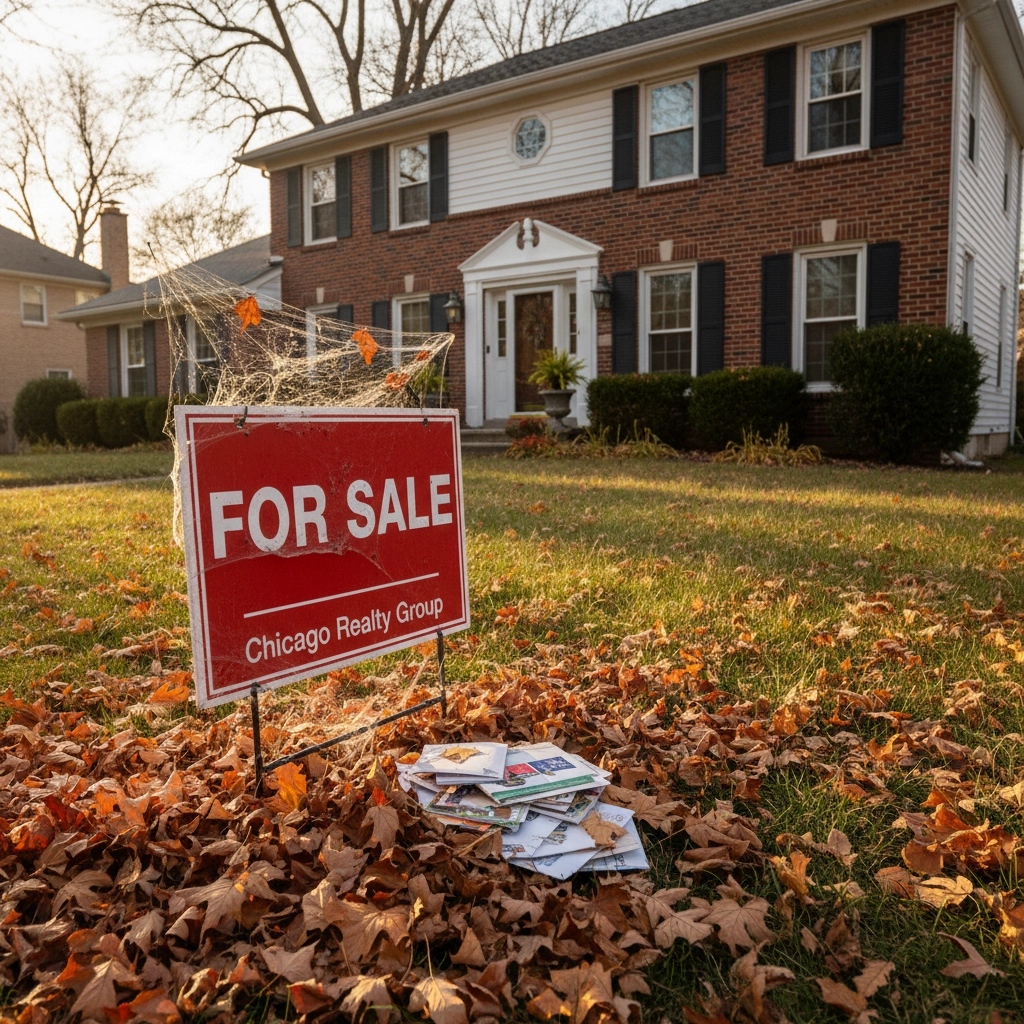
Mistake #2: "Testing the Market" with an Inflated Price
I hear this phrase all the time: "Let's just test the market and see what happens." Sounds reasonable, right? Unfortunately, this strategy almost always backfires in today's market.
Why it doesn't work: Today's buyers are incredibly informed. They're using online tools, checking comps, and they know exactly what similar homes are selling for. When they see an overpriced listing, they don't think "great negotiation opportunity": they just move on to the next house.
The fix: Determine your target price based on solid comparable sales data right from the start. The market will tell you if your price is fair through the speed and quality of showings you get in those first critical weeks.
Mistake #3: Ignoring Chicago's Unique Market Conditions
Here's something many sellers don't realize: Chicago's real estate market is operating differently than most of the country right now. While national headlines might be talking about buyer's markets and price drops, our local reality is quite different.
Why local matters: Chicago is one of just eight balanced markets among the nation's 50 largest metros. In October, buyers outnumbered sellers by only 2.7% here, compared to about 37% nationally where properties outnumber buyers. Our median sales prices jumped 8.5% year-over-year while national prices only rose 2.1%.
The fix: Have your agent break down pricing by neighborhood, price point, and property type rather than relying on national trends. Single-family homes under $1 million are particularly competitive right now, often seeing multiple-offer situations.

Mistake #4: Pricing Based on What You Need, Not What the Market Says
I totally get it: you have a specific number in mind based on your next purchase, your mortgage payoff, or what you invested in improvements. But the market doesn't care about your personal financial situation.
Why this creates problems: Buyers are comparing your home to everything else available in your price range. If your home isn't competitive at that price point, they'll choose something that offers better value.
The fix: Start with what comparable homes have actually sold for, then work backwards to see if that aligns with your goals. If there's a gap, you might need to adjust your timeline, consider improvements, or reevaluate your next move.
Mistake #5: Using Pandemic-Era Pricing Strategies
Remember 2021 when homes were selling for $50K over asking price within days? Those days are gone, but some sellers are still pricing like they're not.
Why this no longer works: The pandemic market was an anomaly driven by historically low rates, limited inventory, and changed buyer behavior. Today's buyers have more choices, higher rates, and they're much more selective about where they spend their money.
The fix: Embrace current market realities. Homes that sell quickly now are the ones priced correctly from the start, not the ones banking on bidding wars to drive up the price.
Mistake #6: Making Tiny Price Reductions Instead of Meaningful Adjustments
When an overpriced home isn't getting activity, many sellers make small, incremental price drops: think $5,000 or $10,000 reductions on a $400,000 home. This approach rarely works.
Why small cuts don't help: Tiny price reductions don't move you into new buyer search brackets online, and they signal indecision rather than motivation. Buyers who already passed on your home at $400K aren't suddenly interested at $395K.
The fix: If you need to adjust your price, make it meaningful. A reduction that moves you into a new search bracket or clearly positions you as the best value in your range is much more effective than death by a thousand cuts.
Mistake #7: Not Understanding Your Real Competition
Many sellers think their competition is just the house next door or the one that sold six months ago. But your real competition is every home currently available in your price range and area that buyers are considering.
Why this matters: If buyers are looking at homes in your price range, they're comparing features, condition, location, and value across all their options. You need to understand where your home fits in that landscape.
The fix: Have your agent pull all current listings and recent sales in your price range, not just your immediate neighborhood. Look at what buyers are actually choosing and why. Then position your home competitively within that context.
Getting Your Pricing Strategy Right
Here's the bottom line: in today's Chicagoland market, pricing strategy matters more than ever. With days on market averaging 35-45 days across the region, you want to capture buyer attention in that critical first window when your listing is fresh.
The most successful sellers I work with understand that pricing isn't about getting the highest possible number: it's about getting the best possible outcome. Sometimes that means leaving a little money on the table upfront to ensure a smoother transaction, faster sale, and less stress overall.

Remember, every home and situation is unique. What works in Lincoln Park might not work in Naperville, and what works for a $300K condo might not work for a $800K single-family home. The key is working with an agent who understands your specific market segment and can guide you through data-driven decision-making rather than emotion or outdated strategies.
If you're thinking about selling in the next few months, now's the time to start having conversations about pricing strategy. The market is moving, inventory is shifting, and getting ahead of these trends can make all the difference in your selling experience.
Want to talk about your specific situation and get a realistic pricing strategy for your home? I'd love to help you navigate this market and avoid these common pitfalls. Reach out and let's discuss your goals and timeline.
The Chicagoland market has plenty of opportunities for sellers who approach it strategically. Don't let pricing mistakes derail what could be a smooth and successful sale.
